Trending

Ask six people when to visit the Yorkshire Dales and you will get six confident, incompatible answers. This is a landscape that changes clothes every few weeks: bare ash woods and swollen becks in January, lamb-filled fields in April, hay meadows shouting with colour by late June, heather going purple on the moors as August turns. Choose badly and you spend the week in a car park queue or under a low lid of cloud. Choose well and you will wonder why you ever went anywhere else.
What follows is the year in order, with the things that actually affect a trip: weather, crowds, livestock, closures and festival timing. Dates shift slightly from year to year, so confirm locally before you commit.
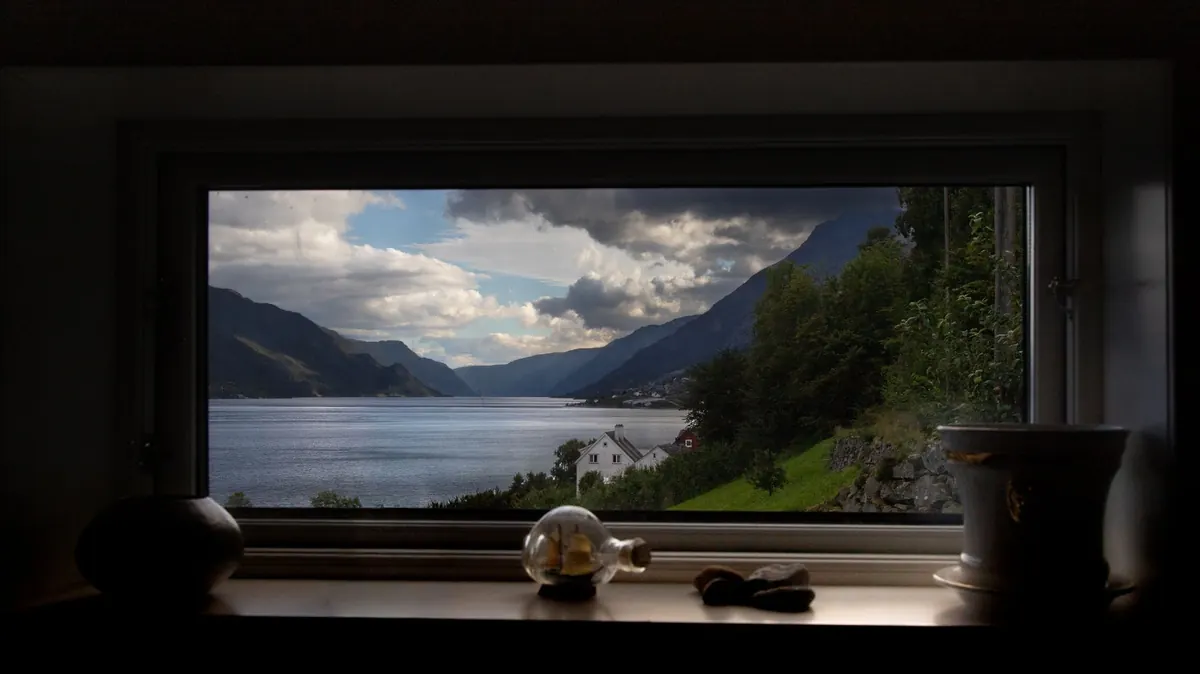
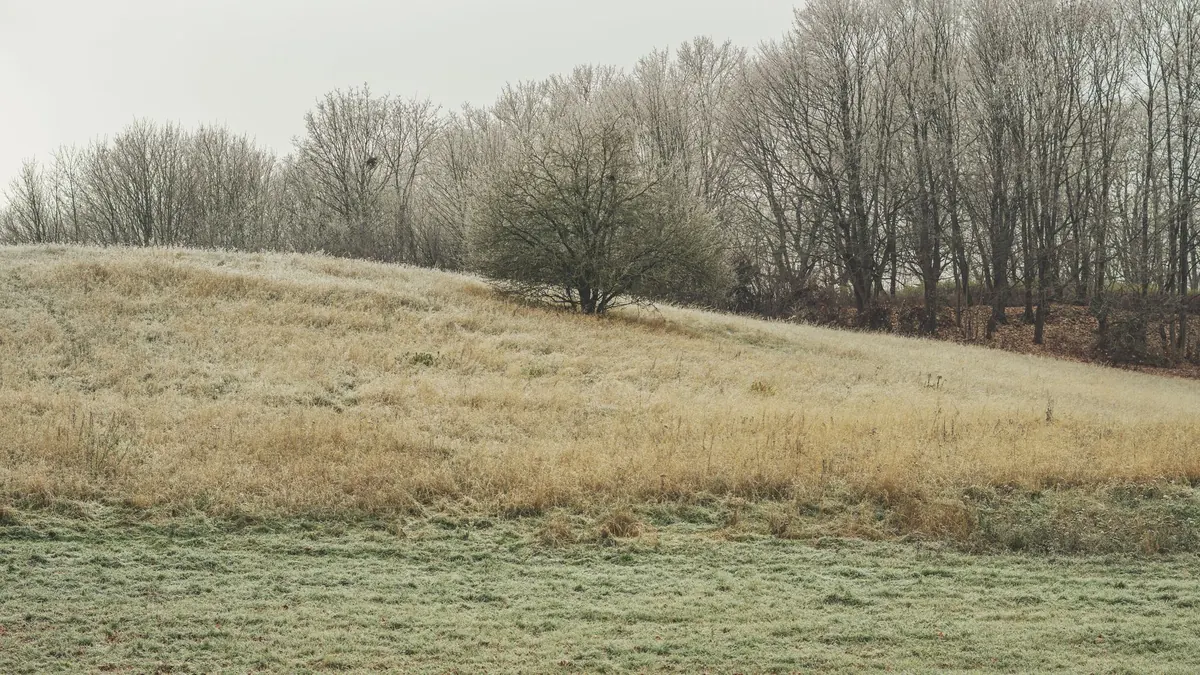
Winter here is short on daylight and long on atmosphere. Expect dark by half past four, frost on the limestone, and snow on the tops that can shut higher roads without much warning. The Buttertubs Pass above Hawes, Fleet Moss between Wharfedale and Wensleydale, and the road over Tan Hill are the usual casualties. If snow is forecast on high ground, plan a valley walk instead and keep an eye on road conditions before setting out.
The reward is solitude. You can walk to Malham Cove on a Tuesday in February and pass four other people. Pubs have their fires lit, and you will get a table without booking.
Do check opening times first. Several smaller museums, show caves and tea rooms close from November to February or open at weekends only, and plenty of B&Bs shut for a few weeks after New Year. The national park is an International Dark Sky Reserve, which makes a clear winter night superb for stargazing — take a red torch and a flask.
This is when the dales wake up. Waterfalls are at their best after winter rain: Aysgarth Falls in Wensleydale, Cautley Spout below the Howgills, Janet's Foss near Malham. The clocks change at the end of March, and suddenly an evening walk is possible again.
It is also the muddiest period of the year. Bring boots you do not love, and expect limestone paths to be greasy. Lambing runs from roughly late March into April, so fields are full of ewes with young — keep your distance, shut every gate you open, and never let a dog chase anything.
The rule that catches people out: on open access land between 1 March and 31 July, dogs must be on a short lead, and around livestock at any time of year.
Easter brings the first proper crowds of the year, and the Yorkshire Three Peaks race in April fills Horton in Ribblesdale for a weekend. Book parking and accommodation early for both.
If you want one answer, this is it. Days are long, light lasts until nearly ten at midsummer, and the weather odds are as good as they get in northern England. Hay meadows peak from late May into late June, with the best-known displays around Muker and Keld in Swaledale — the reason photographers book rooms a year ahead.
Crowds are moderate but not crushing, apart from the late May half-term week. Weekdays stay pleasantly quiet. Grassington Festival in June adds music, comedy and talks, and the Settle–Carlisle railway is worth a day of any trip.
Small caution: still, damp evenings in the valley bottoms can bring out midges from June onwards. A repellent and a long-sleeved layer solve it.
School holidays land hard. Car parks at Malham, Kettlewell, Hawes and Aysgarth can be full by mid-morning, and the popular limestone paths get busy enough that you will queue at stiles. Arrive before nine, or use the seasonal DalesBus services that run on summer Sundays and bank holidays.
The upside is a full calendar of village shows, agricultural shows and sheepdog trials across the dales. Local produce, fell races for children, and a great deal of cake — these are worth planning a trip around.
Once the first week of September passes, the dales empty out and the walking improves. Heather is at its best from mid-August into September, and the autumn colours — ash, rowan, beech — usually peak in mid to late October, particularly in Wharfedale and around Aysgarth.
Autumn is also sheep-selling season, with auctions at Hawes, Skipton and Reeth that make a genuinely interesting morning out. The Masham Sheep Fair, just outside the national park in late September, is the biggest of them. Half term at the end of October brings a second surge of visitors, and many attractions close for the season around then, so check before travelling.
Rain returns with a vengeance in October. Rivers rise fast; do not attempt stepping stones in spate.
Midweek November is the quietest the dales ever get. Days are short, so plan two or three hours of walking between late morning and early afternoon, then retreat to a market town: Settle, Richmond, Kirkby Lonsdale or Skipton. Some hotels shut for part of November and reopen for Christmas.
December has its own appeal. Grassington holds Dickensian-themed weekends with costumed locals and street stalls, and Skipton and Hawes both make an effort with lights and markets. Snow on the high roads is a real possibility, so build a low-level alternative into your plans.
Book accommodation early for May, June, September and any bank holiday, and reserve Sunday lunch tables in summer. Whatever month you choose, carry a paper map, tell someone your route, and treat the forecast as advice rather than decoration — the dales are gentle-looking and genuinely wild in equal measure.
Photo: Nataliia Zhytnytska / Pexels